


More and more professions are migrating to the digital realm, a trend accelerated by the COVID-19 pandemic. Occupations that were traditionally associated with physical offices, such as translators, accountants, and graphic designers, are increasingly operating remotely.
Definition and Benefits of a Virtual Office
A virtual office is a service that provides remote workers and freelancers with access to a prestigious mailing address without the need for physical presence at that location. In addition to that, it offers access to various business tools, such as mail handling, call management, on-demand conference rooms, and accounting services. It’s an excellent solution for remote professionals who don’t require a permanent office but want the benefits of an official address and business infrastructure.
For a translator, who typically works from the quiet comfort of home, a virtual office offers the ability to register their business under a prestigious address. This gives clients a sense of professionalism, which can significantly influence business decisions. Similarly, other remote professions, such as programmers or SEO specialists, use such services to maintain the appearance of being a solid and professional business partner.
How Does a Virtual Office Support Translators?
As a professional involved in precise and dedicated work, a translator needs the right conditions to perform effectively. A virtual office can support a translator in several key ways:
- Professional Mailing Address – Translators often collaborate with international clients, and having an address in a renowned city can enhance their credibility. Clients are more likely to choose someone whose business appears well-established and organized.
- Document Management – Timeliness and confidentiality are crucial in the translator’s work. Virtual offices often provide document management tools and secure data storage, which are essential when dealing with clients.
- Client Management – For translators who handle multiple clients at once, services like phone support, message forwarding, or automated email responses can be invaluable. A virtual office can help organize these activities, freeing up the translator to focus on the actual work.

Virtual Offices for Other Remote Professions
Remote work has become the reality not only for translators but also for many other professionals. Virtual offices are growing in popularity among programmers, graphic designers, marketing specialists, financial advisors, and many others who traditionally required physical offices.
- Programmers – For programmers who work globally, a virtual office allows them to register their business in various countries, making it easier to manage taxes and interact with local authorities. Additionally, virtual offices may offer on-demand conference rooms, useful for important client meetings.
- Graphic Designers and Content Creators – For these professions, a virtual office can assist not only with administrative management but also as a tool for teamwork. Virtual offices often provide project management tools that facilitate collaboration and allow for storing and sharing large files.
- Financial Advisors and Accountants – A virtual office is also an excellent solution for professions requiring confidentiality and secure client data management. Virtual offices offer advanced tools for storing and securing data, which is crucial for financial advisors and accountants.
Tools and Technology in a Virtual Office
Virtual offices provide a wide range of technological tools that support the efficiency of remote work. For translators and other remote workers, key tools include:
- Cloud Storage – Cloud storage allows secure document storage while making it accessible from anywhere in the world. This is essential for translators who regularly send and receive large volumes of documents.
- Project Management Systems – Tools like Trello, Asana, or Monday.com enable efficient project management, which is especially useful for translators working on multiple assignments simultaneously. A virtual office that integrates such solutions helps organize work and meet deadlines.
- Video Conferencing and Communication Tools – Video conferencing platforms such as Zoom or Microsoft Teams have become essential communication tools for remote workers. Virtual offices often offer integrated video conferencing tools, making communication with clients and teams around the globe easier.
Challenges of Remote Work and How a Virtual Office Solves Them
Despite numerous advantages, remote work comes with its own set of challenges. The lack of physical presence in an office can lead to feelings of isolation, difficulties in time management, and challenges in separating personal and professional life. A virtual office offers solutions to these challenges:
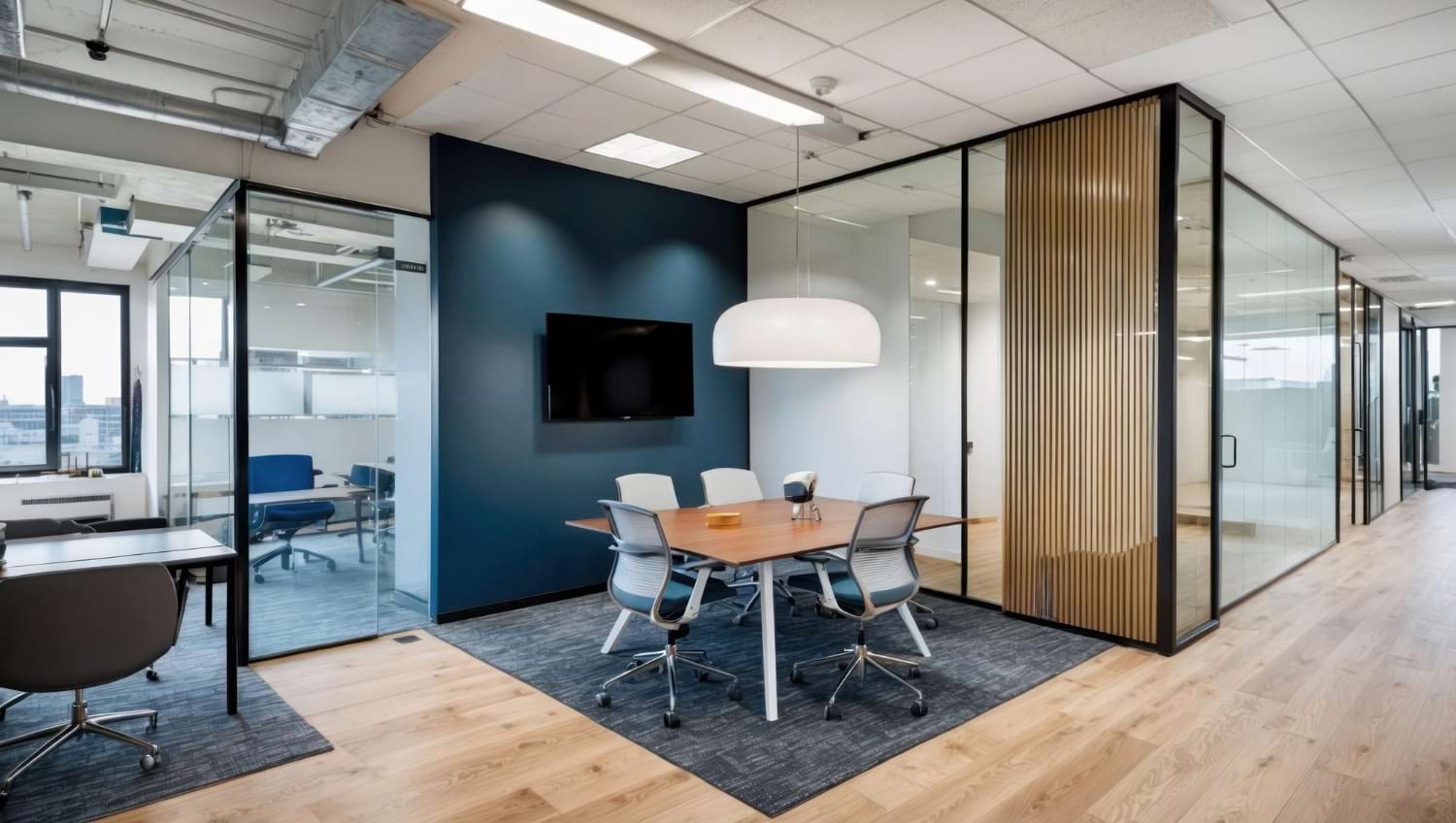
- Sense of Belonging – For many remote workers, the lack of a physical workplace can be problematic. Virtual offices offer the possibility to rent a desk by the hour or use coworking spaces, allowing for work in the company of others without sacrificing flexibility.
- Time Management – Virtual offices often provide time management tools that help track work progress and meet deadlines. This is particularly useful for translators who work on multiple projects simultaneously and need precise scheduling.
- Separation of Private and Professional Life – A virtual office allows for clear separation between business and personal correspondence, helping maintain a balance between work and private life.
The Future of Virtual Offices
As technology evolves, the role of virtual offices in the remote work world will grow. We can already see that more and more professions can fully perform their duties remotely, using advanced tools for work management and communication. In the future, we can expect even more automation of many processes, as well as further development of tools for teamwork.
Virtual offices will become the standard not only for freelancers but also for larger companies looking for flexible office solutions that enable remote work without losing efficiency. For translators, programmers, graphic designers, and many other professionals, a virtual office will be a crucial element of success in the global digital economy.
A virtual office is an excellent tool for translators and other remote professionals, offering a prestigious address, work management tools, and administrative and technological support. The future of remote work will undoubtedly rely on increasingly advanced virtual solutions that enable even greater efficiency and flexibility, regardless of location. For professions like translators, which require precise organization and excellent communication, a virtual office becomes an indispensable support in daily work.


