


In the era of growing environmental awareness and the need for sustainable development, companies around the world are seeking ways to reduce their impact on the environment. Virtual offices, which allow businesses to operate without traditional office space, are becoming an increasingly popular solution. Not only do they offer cost savings and flexibility, but they also contribute to environmental protection and support sustainable work practices.
Reducing Carbon Emissions
One of the key aspects of virtual offices is the ability to work remotely, which eliminates the need for daily commutes to a traditional office. Commuting, especially in large cities, generates significant amounts of carbon emissions, contributing to air pollution and climate change. By working remotely, employees can reduce their daily travel, leading to lower fuel consumption and fewer emissions.
Virtual offices also promote the use of communication technologies such as video conferencing, which eliminates the need for business travel. Online meetings allow for effective communication and collaboration without the need to travel long distances. As a result, companies can significantly reduce their carbon footprint while maintaining high operational efficiency.
Conservation of Natural Resources
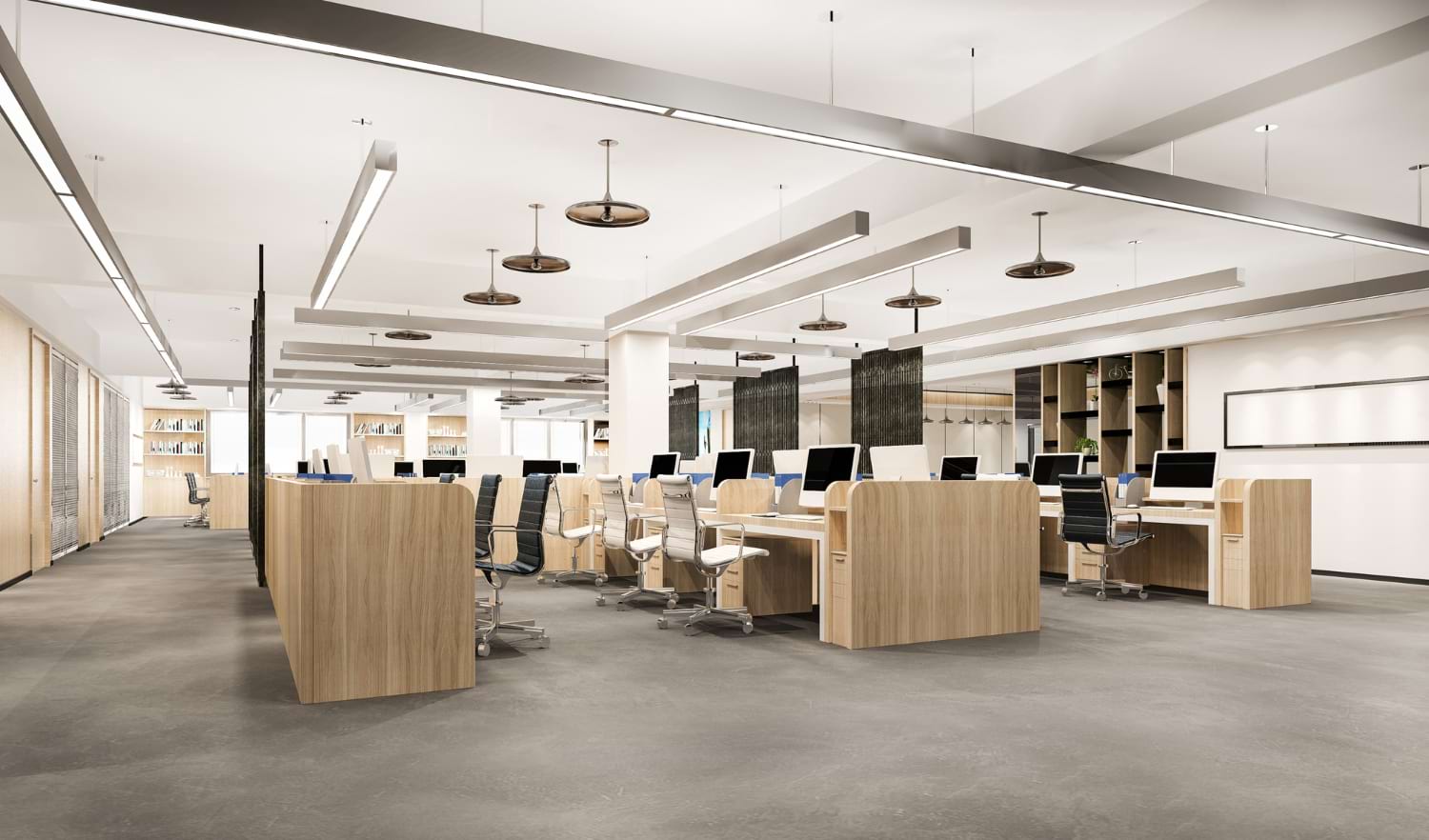
Another important aspect of virtual offices is the conservation of natural resources. Traditional offices consume large amounts of energy, water, and other resources necessary for maintaining office space. Heating, air conditioning, lighting, and office equipment all generate costs and impact the environment.
Virtual offices eliminate the need to rent physical office space, allowing for savings in these resources. Employees working remotely use energy in their homes, but the total individual consumption is typically lower than in a large office. Additionally, many remote workers are more conscious of energy savings at home, further reducing resource use.
Thanks to virtual offices, companies can also reduce the amount of waste generated. Traditional offices produce large amounts of paper, plastic, and other office waste, which often ends up in landfills. By working remotely, employees can utilize digital tools for document management and communication, minimizing the need for printing and reducing the generation of paper waste.

Promoting Sustainable Business Practices
Virtual offices not only help conserve resources and reduce emissions but also promote sustainable business practices. Companies using virtual offices often implement technologies and solutions that support sustainable development, such as energy management systems, video conferencing software, and online collaboration platforms.
These technologies not only improve operational efficiency but also reduce the negative impact on the environment. For example, using project management systems allows for real-time tracking of work progress and minimizes the need for physical meetings. Online collaboration platforms enable employees to share documents and resources digitally, reducing the use of paper and other office supplies.
Furthermore, companies utilizing virtual offices often promote sustainable practices among their employees. Remote work gives employees more flexibility in managing their time, which can lead to a more sustainable lifestyle. Employees can spend more time with family, engage in local communities, and focus on their health, contributing to an overall improvement in quality of life and social sustainability.
Cost and Resource Savings with Virtual Offices
Virtual offices offer a range of benefits that contribute to sustainable work and environmental protection. Through the possibility of remote work, companies can significantly reduce carbon emissions, conserve natural resources, and promote sustainable business practices. Virtual offices eliminate the need for physical office space, resulting in energy, water, and resource savings, while also minimizing waste generation.
Companies using virtual offices can also benefit from increased work efficiency and flexibility, allowing for better resource management and investment in the development of sustainable products and services.


